
Vetted massage therapists · towns across England
Book an exceptional massage, at home or nearby
Vetted local therapists offering sports massage, deep tissue massage and relaxation massage - from Nottingham and Derby to Shrewsbury, Telford, Reading and Salisbury. Compare real prices, qualifications and live availability, then book online - at your home or in a private treatment room nearby.Sports, deep tissue & relaxation massage - vetted therapists, real prices, live availability.
- DBS-checked & fully insured
- Next-day appointments
- Home visits or private studio
- Upfront pricing from £55, no hidden fees
From £55 · DBS-checked · no booking fee
Free to check availability · book in minutes · how it works
Vetted, DBS-checked therapists - live availability on the map below.
Taking bookings this weekSports · Deep Tissue · Relaxation

Finding therapists near you…
Every therapist's qualifications, pricing and next availability are shown on their profile - tap "Check Availability" to book.
As featured in









What we are
Massage, without the guesswork
Knead Massage is a tight-knit team of massage therapists - 17 and counting - working across England, offering sports massage, deep tissue massage and relaxation massage at your home or in your therapist's own private treatment space.
We are not an anonymous booking app. We interview every therapist before they join, we know them all personally, and they are a proper part of the team rather than names on a list. Prices vary slightly by therapist and location but start from £55 for a 60-minute treatment, and you choose your therapist rather than being handed whoever is free.
Not an anonymous booking pool. Browse real profiles, qualifications and rates, then pick the person you want to see.
Every rate is published before you book. No booking fee, no surge pricing, and nothing sold to you on the table.
Every profile shows that therapist's genuine next open slot, so you can book there and then instead of waiting for a callback.
How it works
- Find your therapist
Browse real profiles, prices and qualifications on the map.
- Check live availability
Tap "Check Availability" to see their next open slots.
- Book securely
Create your free verified account (about 2 minutes) and you're set; rebooking later takes a few taps.
Sports, deep tissue & relaxation massage
Whatever your body needs
Wherever you are
Massage experts, close to home
Our therapists, town by town. Open a town to see who covers it, what they are qualified in and what they charge. Therapists appear under every town they can genuinely reach, so some cover more than one. Pop your postcode into the search above and the map will show exactly who covers you.
Nottingham
6 therapists currently available
Angela MC
Diploma in Deep Tissue and Swedish Massage
Deep Tissue · Relaxation Massage
from £65 per hour
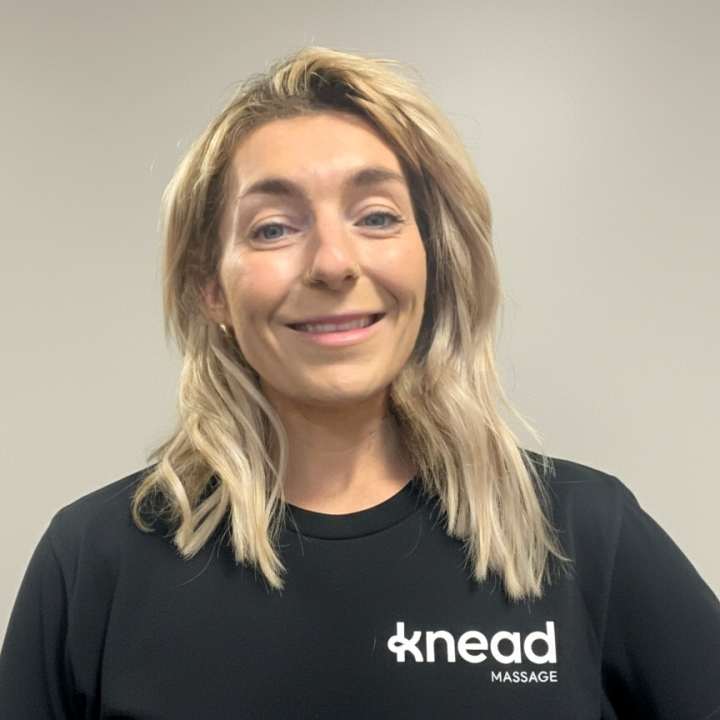
Jen H
Level 4 Sports Massage Therapist
Sports Massage · Deep Tissue · Relaxation
from £65 per hour

Kelvin B
Level 3 Sports Massage Therapist, Sports Therapist
Sports Massage · Deep Tissue
Home visits
from £55 per hour
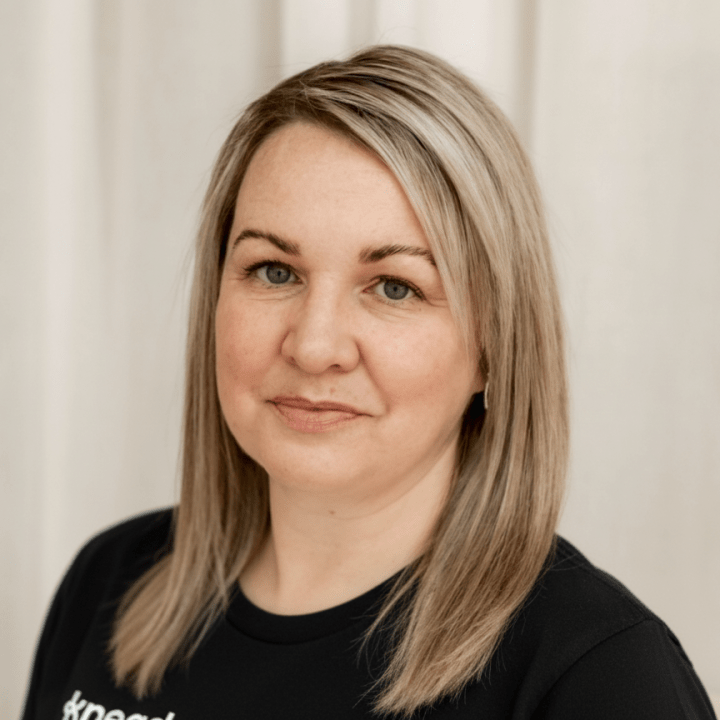
Louise D
Diploma in Deep Tissue & Swedish Massage
Relaxation Massage · Deep Tissue
from £65 per hour

Michael P
Level 3 Sports Massage Therapist
Sports Massage
Home visits
from £60 per hour
Pennie H
Level 4 Sports Massage Therapist
Sports Massage · Deep Tissue · Relaxation
from £65 per hour
West Bridgford
4 therapists currently available
Angela MC
Diploma in Deep Tissue and Swedish Massage
Deep Tissue · Relaxation Massage
from £65 per hour
Kelvin B
Level 3 Sports Massage Therapist, Sports Therapist
Sports Massage · Deep Tissue
Home visits
from £55 per hour
Michael P
Level 3 Sports Massage Therapist
Sports Massage
Home visits
from £60 per hour
Pennie H
Level 4 Sports Massage Therapist
Sports Massage · Deep Tissue · Relaxation
from £65 per hour
Beeston
5 therapists currently available
Angela MC
Diploma in Deep Tissue and Swedish Massage
Deep Tissue · Relaxation Massage
from £65 per hour
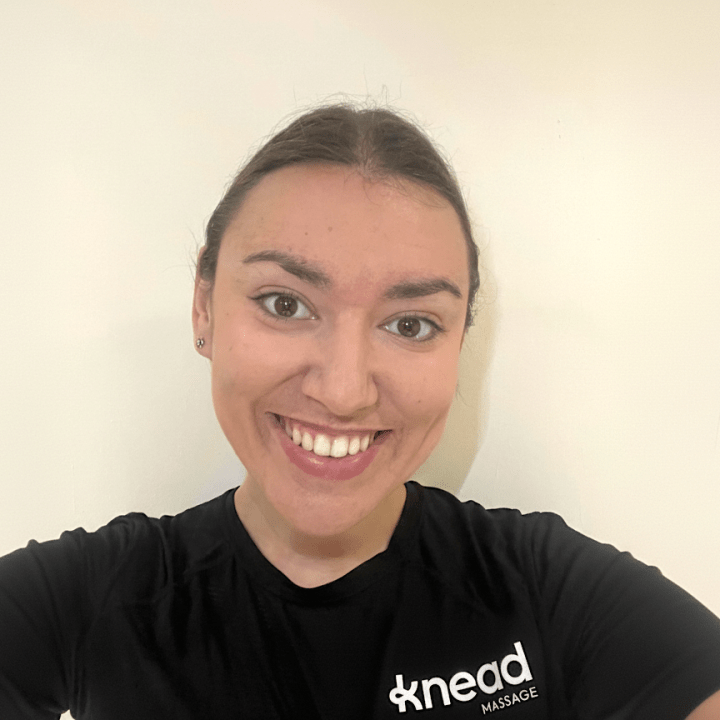
Flo C
Level 4 Sports Massage Therapist
Sports Massage · Deep Tissue
Home visits
from £60 per hour
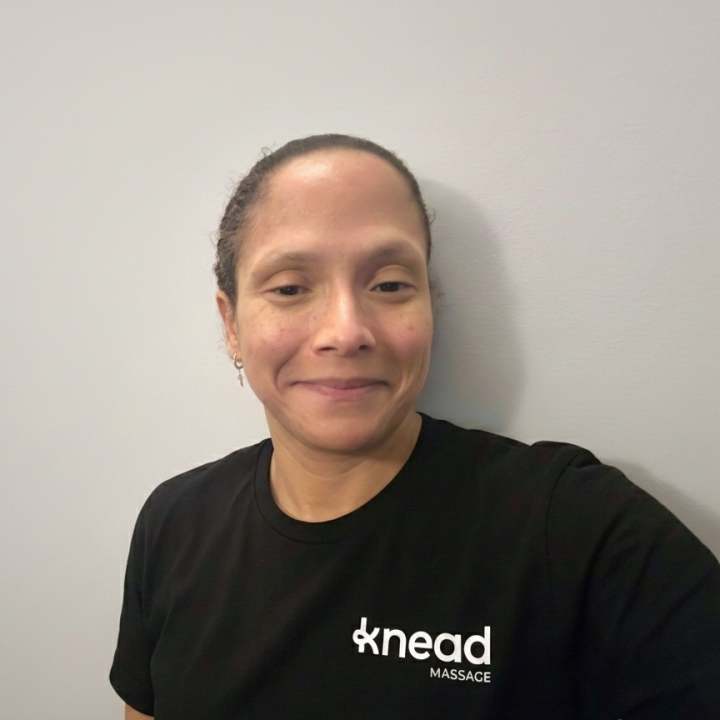
Jeanine D
Level 3 Sports Massage Therapist
Sports Massage · Relaxation
Home visits
from £60 per hour
Kelvin B
Level 3 Sports Massage Therapist, Sports Therapist
Sports Massage · Deep Tissue
Home visits
from £55 per hour
Pennie H
Level 4 Sports Massage Therapist
Sports Massage · Deep Tissue · Relaxation
from £65 per hour
Long Eaton
5 therapists currently available
Angela MC
Diploma in Deep Tissue and Swedish Massage
Deep Tissue · Relaxation Massage
from £65 per hour
Flo C
Level 4 Sports Massage Therapist
Sports Massage · Deep Tissue
Home visits
from £60 per hour
Jeanine D
Level 3 Sports Massage Therapist
Sports Massage · Relaxation
Home visits
from £60 per hour
Kelvin B
Level 3 Sports Massage Therapist, Sports Therapist
Sports Massage · Deep Tissue
Home visits
from £55 per hour
Pennie H
Level 4 Sports Massage Therapist
Sports Massage · Deep Tissue · Relaxation
from £65 per hour
Derby
1 therapist currently available
Flo C
Level 4 Sports Massage Therapist
Sports Massage · Deep Tissue
Home visits
from £60 per hour
Shrewsbury
2 therapists currently available
Josie L
Level 3 Sports Massage Therapist
Sports Massage · Deep Tissue · Relaxation
Home visits
from £65 per hour
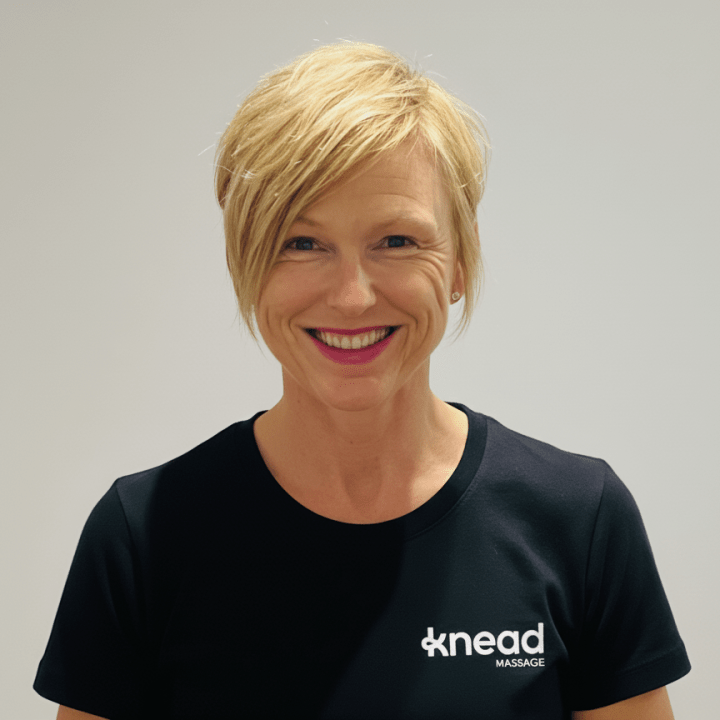
Teri M
Chartered Physiotherapist, Level 4 Sports Massage Therapist
Sports Massage · Deep Tissue
from £60 per hour
Telford
3 therapists currently available

Anna B
BSc Sports Therapist
Sports Massage · Deep Tissue
from £60 per hour
David T
Level 4 Sports & Remedial Massage Therapist
Sports Massage · Deep Tissue · Relaxation
Home visits
from £65 per hour
Sally W
Level 4 Sports Massage Therapist
Sports Massage · Deep Tissue · Relaxation
from £55 per hour
Reading
2 therapists currently available
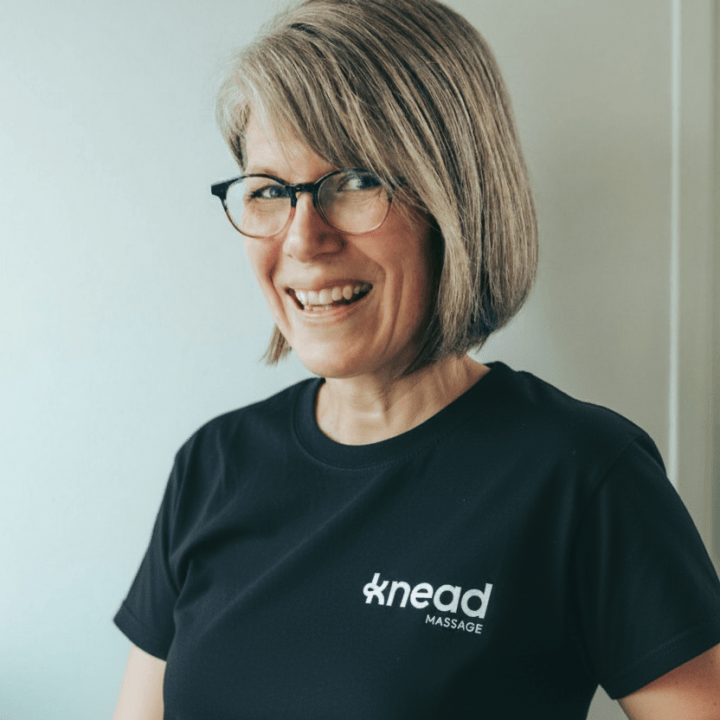
Kathryn M
Level 5 Soft Tissue Therapist
Sports Massage · Deep Tissue · Relaxation
from £60 per hour
Susan M
Level 5 Soft Tissue Therapist
Sports Massage · Deep Tissue · Relaxation
from £60 per hour
Salisbury
2 therapists currently available

Barry D
Level 4 Sports Massage Therapist
Sports Massage · Deep Tissue · Relaxation
Home visits
from £60 per hour
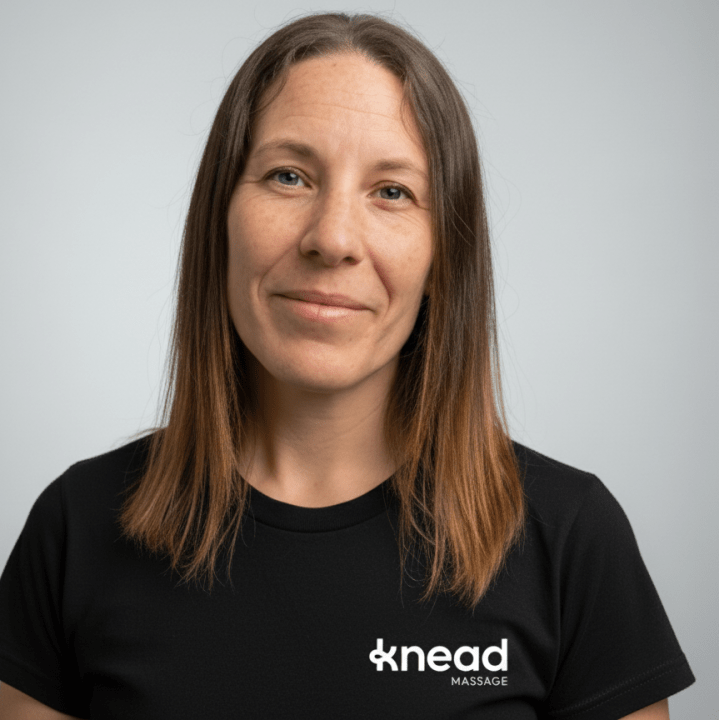
Emma B
Level 3 Sports Massage Therapist
Sports Massage · Deep Tissue
from £60 per hour
Not near any of these? We're growing - message us on WhatsApp and we'll tell you when we reach you.

The Knead standard
Every therapist, personally vetted
We'd rather list four brilliant therapists in a town than forty average ones. Every profile you see has passed the same checks.
DBS-checked
Every therapist is DBS-checked before they join the team - your safety is non-negotiable.
Level 3+ qualified
Recognised massage qualifications as a minimum - many are chartered physiotherapists or sports therapists.
Fully insured
Every treatment is covered by professional liability insurance, whether at your home or their studio.
Vetted by us
We interview every therapist before they go live - qualifications on paper aren't enough on their own.
What clients say
4.8 out of 5 on Trustpilot
"Booking was super easy, and I appreciate being able to choose a therapist based on real reviews. The massage was incredible, and rebooking took literally 30 seconds. Honestly the best experience I've had with a massage service."
- Sarah, Reading
"Really easy to book. Excellent experience. Treatment I received was really great and the therapist was knowledgeable, professional and got right to the issue."
- Kate, Shrewsbury
"Incredibly professional, knowledgeable, and genuinely caring. The convenience of having the treatment in my own home made the experience even more relaxing and comfortable… I finished the session feeling refreshed, relieved, and much better physically."
- Vagia, Nottingham
From our treatment guides
Not sure what you need?
Written by our own therapists. What each treatment actually involves, and what helps for the problems people book with most.
 What is a sports massage?What to expect from your first session
 What is a deep tissue massage?How firm it really is, and who it suits
 Sports massage vs deep tissueThe real difference, and which to book
 How often should you get a massage?What actually makes a difference
 Does massage help sciatica?What helps, and what to avoid
 Massage for runner's kneeWhat helps knee pain after running
Quick questions
Your massage questions, answered
How much does a massage cost with Knead Massage?
Prices are set by each therapist rather than by us, and start at £55 for a 60-minute treatment, with most therapists charging between £55 and £65 per hour. The exact price is shown on every therapist's profile before you book, so there is nothing to work out at the end. Booking a block of five sessions saves 10% on the total.
What is the difference between a sports massage and a deep tissue massage?
A sports massage is treatment-led: your therapist assesses how you move, works on the tissue causing the problem, and usually sends you away with something to do between sessions. It suits injury, recovery and specific pain. A deep tissue massage is about sustained firm pressure through tight muscle to release long-held tension, without the assessment and rehab side. If you are not sure which you want, book either and say what is bothering you - every one of our therapists can adapt. Our guide on sports massage vs deep tissue goes into more detail.
Can I get a massage today or tomorrow?
Often, yes. Every therapist profile on the map shows their genuine next available slot rather than a generic "enquire now", so you can see who has something free before you commit to anything. Next-day appointments are common; same-day depends on who is near you and what they have left.
Is a home visit as good as going to a treatment room?
Yes. Therapists offering home visits (sometimes called a mobile massage) bring a professional couch, towels and oils, and the treatment itself is identical to the one you would get in their room. The practical differences are that you need a clear space roughly the size of a double bed, and that home-visit therapists work within a set radius of their base, shown on their profile. Most people choose a home visit for the convenience of not having to drive anywhere afterwards.
Where will my massage take place?
You can choose to have your massage either at your home or at your therapist's location - each therapist's profile on the map clearly shows which options they offer. For home visits, your therapist brings all the equipment needed for a professional treatment in your own space. Therapist locations range from treatment rooms in clinics and wellness centres to dedicated spaces in their homes; the pin on the map shows exactly where they're based, and you'll receive the full address and any access instructions in your confirmation email once you book.
Why are the prices different for each therapist?
We believe in giving therapists the freedom to set their own prices based on their experience, location, and the services they offer. This means you can choose the therapist who best fits your needs and budget, with complete transparency.
What qualifications do the therapists have?
All our therapists are qualified to at least Level 3 in massage therapy. Many have additional qualifications and areas of expertise. You can view each therapist's qualifications on their profile for full peace of mind.
What safety procedures do you have in place?
We take safety very seriously. Every therapist is fully insured, DBS checked, and their qualifications are verified before they join our team. We also operate a strict zero-tolerance policy for any inappropriate behaviour from either therapists or clients.
Do I get a full hour of massage?
A 60-minute appointment includes time for changing and any brief consultation your therapist may need. To maximise your hands-on time, we recommend completing your health and personalisation questions in advance, so your therapist can get started promptly.
Do you offer pregnancy massage?
Not at the moment, but it's something we're exploring for the future.
Do I need to create an account to book a massage?
Yes, you'll need to create an account to book. This helps keep both clients and therapists safe. It only takes a couple of minutes, and once done, your preferences and details will be saved to make future bookings even quicker.
Do you offer bulk discounts?
Yes! Book a block of 5 sessions and save 10% off the total. Prices vary slightly by therapist, so your exact saving depends on who you're booked with - just mention it to your therapist or any member of the team and we'll sort it for you.
Go on, it's time
Your body deserves this
Aches, stress or recovery - a vetted therapist near you has a slot this week.
Book your massage